Bonsai with White Flowers: Nature’s Touch in Fashion

The Timeless Elegance of Nature-Inspired Fashion
Introduction
Natural colors, textures, and shapes that inspire harmony and beauty are frequently the primary sources of inspiration for fashion. Softer, more tranquil botanical inspirations that appeal to contemporary sensibilities have been embraced by designers in recent years. The white-flower bonsai, which represents harmony, serenity, and sophistication, is one of the most poetic of them. Beyond gardens, this delicate picture has influenced textiles, accessories, and entire collections, establishing a fashion story based on the beauty of nature.
1. Nature as a Fashion Muse
The fashion industry has traditionally relied on nature as a source of inspiration. Patterns and structures in clothes are inspired by the symmetry of tree branches, the way petals curve, and the complex veins in leaves. These natural components enable the creation of designs that combine wearability with artistry in a way that seems both modern and classic. Designers use natural influences to express stories via fabric in anything from couture dresses to everyday clothing.
2. The Rise of Botanical Motifs
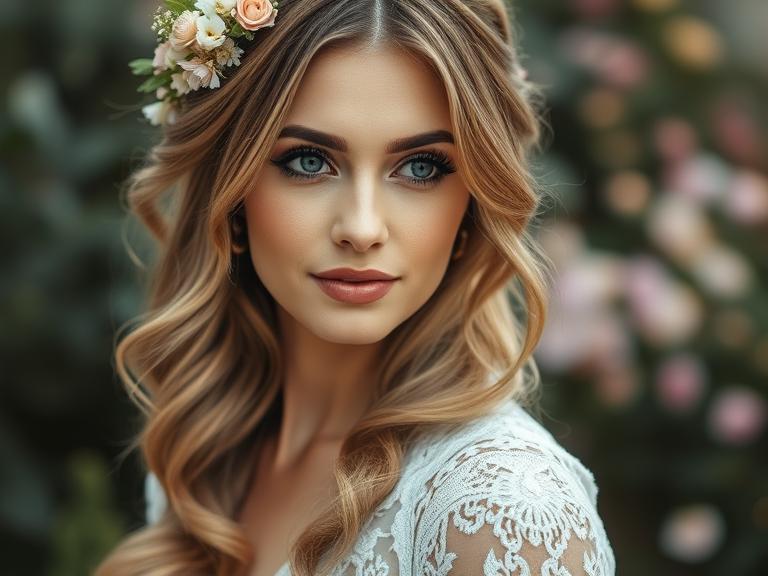
From French haute couture to Japanese kimonos, floral designs have a long history in international fashion traditions. The botanical motifs of today emphasize elegance and restraint through the use of delicate lines, subdued hues, and thoughtfully positioned flowers. This elegant style is reflected in silk blouses with delicate floral embroidery, skirts with delicate watercolor blossom patterns, and jackets with sparse branch outlines. The result is understated luxury that is attractive without being overpowering.
3. Minimalist Romance in Design
Clean lines and functional elements are given priority in minimalist fashion, but that doesn’t imply it lacks coziness or charm. Minimalism can be improved by the occasional introduction of romantic themes. Imagine a pure white shirt with a delicate vine sewn around the sleeve, or a fitted dress with a single floral panel at the hem. These minor details maintain the overall sleek appearance while adding visual appeal. Botanical themes are excellent in this regard because they convey emotion without being overbearing.
4. Accessories Inspired by Nature
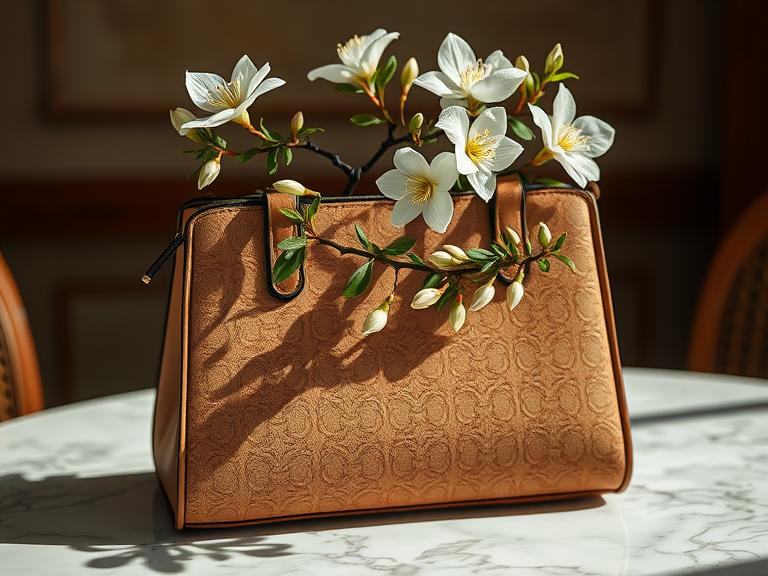
An adaptable method of incorporating botanical design is through accessories. A basic ensemble can be enhanced with a leather tote engraved with leaf designs. Fine floral images printed on scarves provide tenderness and vibrancy to muted hues. Petal-shaped earrings, vine-like bangles, or necklaces that resemble blossoming flowers are just a few examples of how jewelry designers frequently draw inspiration from nature for form and structure. Fashion fans can try out the style with these items without having to buy a whole ensemble.
5. Integrating Bonsai with White Flowers into Style
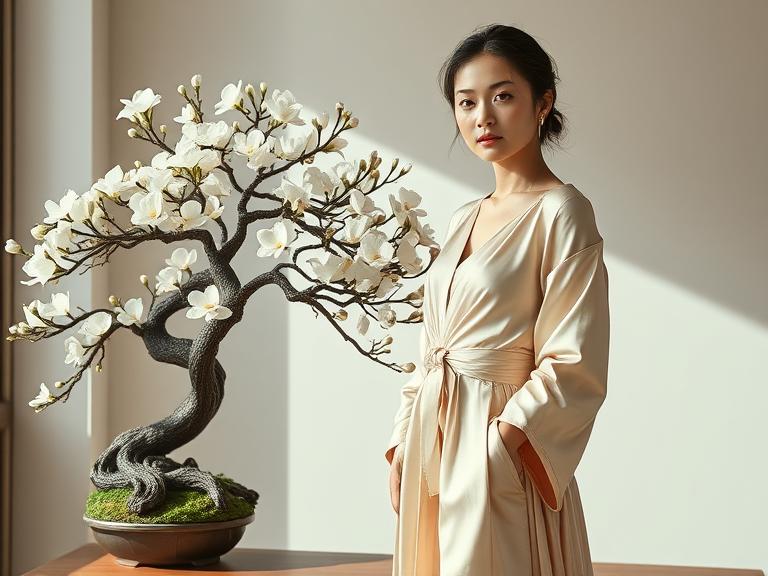
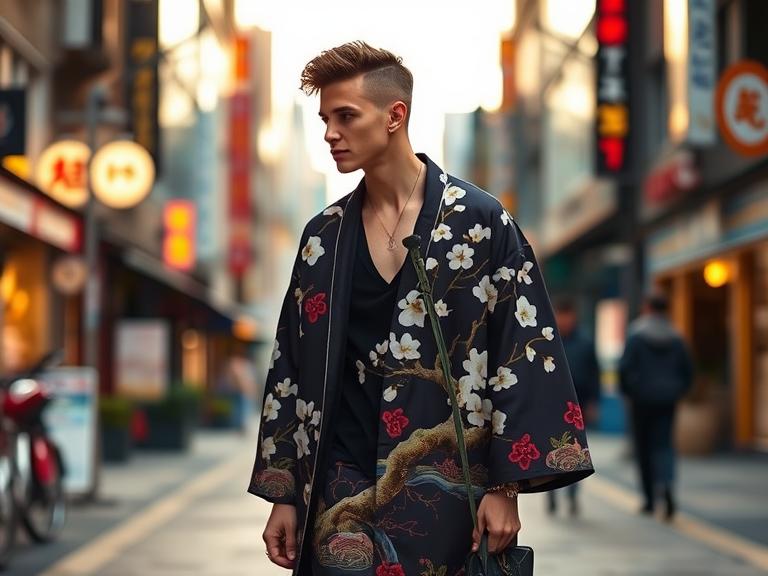
The white-flower bonsai offers a special fusion of aesthetic appeal and symbolic meaning. White petals convey peace and purity, while the painstaking nurturing of the bonsai demonstrates patience and craftsmanship. When combined, they produce a theme that looks well with both dressy and informal attire. Designers have embraced this idea in embroidered skirts, jackets inspired by kimonos, and silk evening gowns. For people that appreciate significance in their wardrobe selections, it’s a subtle statement.
6. Botanical Fashion for Every Season
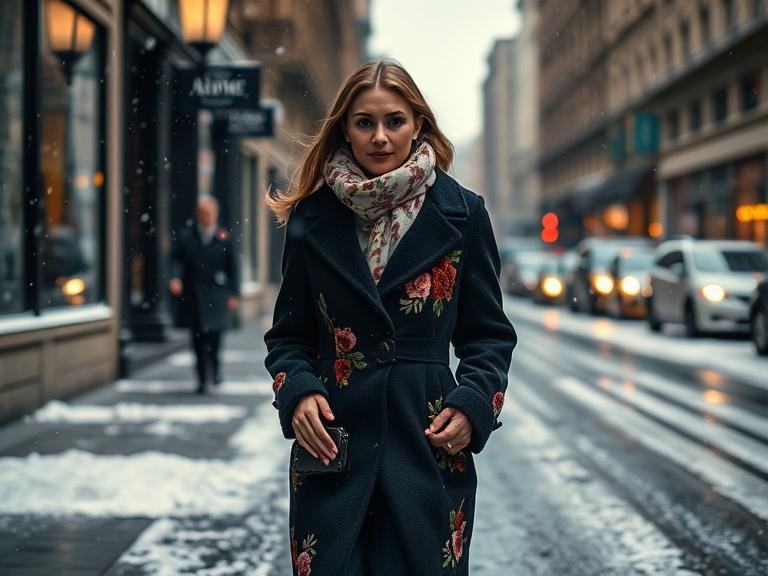
The versatility of botanical fashion is one of its advantages. Pastel colors and airy textiles evoke the freshness of new flowers in the spring. Vibrant designs on airy materials like linen and cotton are welcome in the summer. Autumnal blooms in rust, gold, and burgundy go well with heavier textiles and deeper tones. To capture the tranquility of the season, winter designs include layered textures, metallic embroidery, and chilly hues. Because of its adaptability, botanical motifs are always in style.
7. Street Style with a Natural Twist
High design trends are transformed for daily use by street style. Oversized sweaters, canvas sneakers, and denim jackets all have botanical designs. You can make a tote bag with a delicate floral design a daily necessity. Even sportswear companies are incorporating nature into casual clothes by experimenting with plant-inspired patterns. These modifications demonstrate that botanical fashion flourishes off of runways.
8. Sustainable Fashion and Botanical Themes
Nature-inspired design and sustainable fashion go hand in hand. Botanical aesthetics are frequently used by brands that use plant-based dyes, organic textiles, and ethical production methods. A dress printed with eco-friendly ink and composed of organic cotton exudes both style and substance. These clothes are a response to the increased demand from consumers for eco-friendly, stylish clothing. The attractiveness is enhanced by the visual connection between sustainability and plant motifs.
9. Bonsai with White Flowers in Textile Art
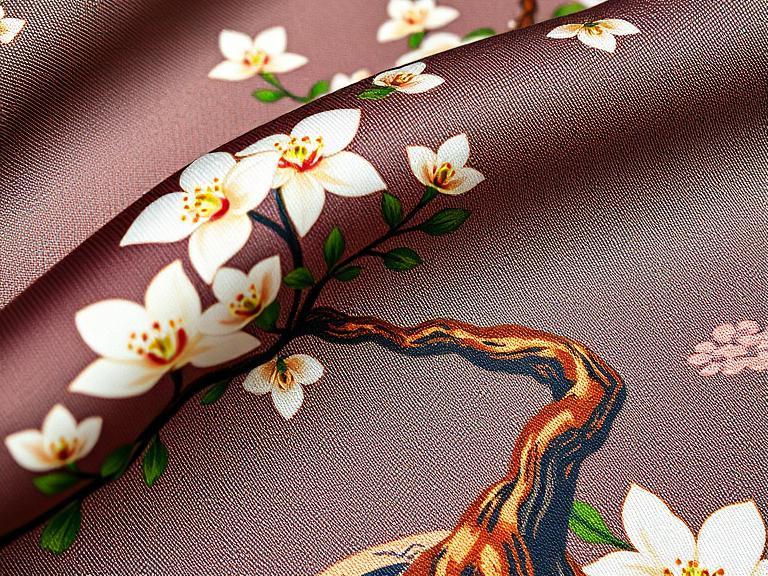
The white-flowering bonsai becomes a work of intricate skill in textile art. Artists can preserve the exquisite shading of petals with digital printing or capture the curve of each branch with hand stitching. The meticulous labor needed is similar to the discipline of growing bonsai. In order to produce wearable and collectible items, luxury fashion businesses frequently hire textile artists to design unique fabrics based on this subject.
10. Cultural Influence on Botanical Design
Botanical fashion is seen differently in different cultures. While roses are frequently associated with romanticism in European design, blossoms in Japan are symbolic of rebirth and transient beauty. When combined with fashion, the bonsai tradition itself unites tradition and contemporary aesthetics, reflecting centuries of creativity and philosophy.
11. Why Botanical Fashion Endures
Because of their universal appeal, botanical motifs continue to be popular. They arouse feelings of beauty, harmony, and renewal—concepts that appeal to wearers from many walks of life. Nature provides an everlasting anchor in a field that is constantly changing. Botanical fashion unites history and contemporary, whether it’s through a striking flower garment or the sophisticated elegance of a scarf with a bonsai motif. It retains its essence while adjusting to changing materials, technologies, and tastes.
12. Future Trends in Nature-Inspired Fashion
Future fashion is probably going to incorporate more natural themes with cutting-edge materials. Digital design, sustainable materials, and 3D printing will open up new possibilities for capturing the essence of trees, flowers, and leaves. Designers can try out dynamic textiles that react to temperature or light by changing patterns, such as images of plants.
Conclusion
Fashion and nature have a long-standing creative affinity. Clothing is grounded in timeless beauty thanks to the inspiration of natural forms, which create designs that are both recognizable and novel. The white-flowering bonsai is a subdued emblem among many inspirations; it is beautiful, symbolic, and versatile. This link to nature will continue to guide fashion as it develops, serving as a reminder that style is most effective when it mirrors the environment