
“Best Fall Flowers in North Texas for Vibrant Gardens”

Fall Flowers in North Texas: A Colorful Guide to Autumn Blooms
As the days become shorter and the temperatures begin to drop, North Texas’s fall flowers start to show off their vibrant hues, adding to the area’s gardens’ beauty and vibrancy. In contrast to the scorching summer months, fall offers ideal circumstances for a variety of blooms that thrive in North Texas’s unique habitat. Regardless of your level of gardening knowledge, knowing what to plant and how to care for these flowers may transform your outside space into a fall sanctuary.
Why Fall is a Great Season for Gardening in North Texas
- The favorable autumn weather in North Texas, with warmer days and cooler nights, is ideal for the growth of a variety of flowers. Because of the temperature and soil characteristics in the area, gardeners can take advantage of a longer blooming season.
- Advantages of Planting in the Fall
- Reduced stress on plants: Lower temperatures lessen heat stress and evaporation.
- Fewer diseases and pests: In the fall, many typical garden pests are less active.
- Stronger root systems: In lower temperatures, plants are better able to grow roots.il.
Top Fall Flowers to Grow in North Texas
- The favorable autumn weather in North Texas, with warmer days and cooler nights, is ideal for the growth of a variety of flowers. Because of the temperature and soil characteristics in the area, gardeners can take advantage of a longer blooming season.
- Advantages of Planting in the Fall
- Reduced stress on plants: Lower temperatures lessen heat stress and evaporation.
- Fewer diseases and pests: In the fall, many typical garden pests are less active.
- Stronger root systems: In lower temperatures, plants are better able to grow roots.
- Perfect for garden beds and containers
2. Pansies
- Long-lasting and resistant to cold
- Perfect for hanging baskets and borders
- Available in vivid and bi-colored colors
- Provide a variety of hues, including purple, white, yellow, and red.
- Fewer diseases and pests: In the fall, many typical garden pests are less active.
- Stronger root systems: In lower temperatures, plants are better able to grow roots.
3. Marigolds
- Naturally repel pests
- Gardens are made cozier by the vivid orange and yellow tones.
- Low maintenance and easy to maintain
- Provide a variety of hues, including purple, white, yellow, and red.
- Fewer diseases and pests: In the fall, many typical garden pests are less active.
- Stronger root systems: In lower temperatures, plants are better able to grow roots.
4. Snapdragons
- Use towering flower spikes to provide vertical appeal.
- come in a range of hues.
- From late fall to early spring, bloom
- Provide a variety of hues, including purple, white, yellow, and red.
- Fewer diseases and pests: In the fall, many typical garden pests are less active.
- Stronger root systems: In lower temperatures, plants are better able to grow roots.
5. Mexican Bush Sage
- draws pollinators such as hummingbirds and bees.
- Deer-resistant and drought-tolerant
- offers blooms that are rich in lavender and purple.
- Provide a variety of hues, including purple, white, yellow, and red.
- Fewer diseases and pests: In the fall, many typical garden pests are less active.
- Stronger root systems: In lower temperatures, plants are better able to grow roots.
Step-by-Step Guide to Planting Fall Flowers in North Texas
- Step 1: Pick the Proper Site
- Seek out locations that receive at least six hours of sunlight. To avoid root rot, make sure the soil drains properly.
- Step 2: Get the Soil Ready
- Get rid of weeds and outdated plants.
- Add compost to the soil to improve its quality.
- To keep moisture in and keep weeds at bay, use mulch.
Step 3: TimeYour Planting
Your PlantingMid-September to early October is the ideal time of year to sow the majority of fall flowers in North Texas.
Step 4: Use Water Carefully
Depending on the amount of rainfall, water deeply once or twice a week. Steer clear of overhead irrigation to avoid illness.
Step 5: Use Light Fertilizer
Every four to six weeks, use a balanced fertilizer to encourage robust foliage and blooms.
Provide a variety of hues, including purple, white, yellow, and red.
Fewer diseases and pests: In the fall, many typical garden pests are less active.
Stronger root systems: In lower temperatures, plants are better able to grow roots.
Tips for a Thriving Fall Garde
- Remove spent blossoms to promote fresh growth.
- In late November, keep an eye out for any indications of frost, and cover delicate plants if necessary.
- Use perennials to create enduring beauty.
Final Thoughts
During the cooler months, your garden will be filled with vibrant hues and happiness if you plan and plant fall flowers in North Texas. A bright, low-maintenance landscaping that improves the curb appeal of your house can be achieved by selecting the correct plants and using the right care methods. Any outdoor area will be brightened by fall flowers in North Texas, whether they are towering snapdragons or happy pansies.
Of course! This is your SEO-optimized blog post on “fall flowers in North Texas” that has two or more H2 and H3 headings and is set up for both Google search ranking and user experience.
Fall Flowers in North Texas: A Vibrant Guide to Seasonal Gardening
It’s time for a seasonal change in your garden when the summer heat starts to subside. Because of the warm autumn environment in North Texas, fall flowers come in a breathtaking variety of hues and textures. Fall is the ideal season to grow flowers that enjoy cooler temperatures, whether your goal is a striking front yard display or a lovely patio garden.
Why Choose Fall Flowers in North Texas?
For flower lovers in particular, fall gardening in North Texas offers clear benefits over other seasons. While the cooler air temperatures lessen plant stress and pest activity, the warm soil continues to encourage the growth of roots.
Benefits of Fall Planting
- Longer blooming season
- requiring less upkeep than summer gardens
- A chance to revitalize your garden before to winter
What Makes North Texas Unique?
- Clay-rich soil that needs adequate draining
- Unpredictable weather, with cool nights and warm days
- a lengthy fall season that lasts until November and permits flowers to flourish
Best Fall Flowers to Grow in North Texas
- A successful fall garden depends on selecting the appropriate plants. These are North Texas’ best-performing fall flowers that instantly add texture and color.
- 1. Violas and pansies
- Perfect for containers, borders, and flower beds
- There are numerous color combinations available.
- tolerant of cold nights and mild frosts
2. Chrysanthemums
- Dense blooms in orange, purple, red, and yellow
- Excellent for potted displays or large plantings
- Grow in cool temperatures and full sun.
3. Marigolds
- Pests are naturally repelled by
- drought-tolerant and little upkeep
- Fall-appropriate hues of golden and bright orange
4. Salvia and Mexican Bush Sage
- Great for pollinators
- Give the garden more height and structure.
- Heat-tolerant and drought-tolerant
How to Plant and Care for Fall Flowers in North Texas
Your flowers will flourish throughout the season if you use the right planting procedures.
First Step: Prepare the Soil: Add organic compost and loosen any compacted soil.
Check the pH levels; 6.0 to 7.0 is the optimal range.
To keep moisture in and prevent weeds, use mulch.
Step 2: Choose the Ideal Time to Plant
In North Texas, mid-September to early October is the best time of year to plant fall flowers. Plants have more time to establish themselves before the first frost thanks to this.
- Step 3: Drink and Eat Deep water once or twice a week, properly
- To avoid mildew, don’t water from above.
- To promote flowers, apply fertilizer with a slow release.
- Step 4: Consistently Maintain
- To promote fresh flowers, deadhead spent ones.
- Keep an eye out for late November frost warnings.
- Use mulch or row coverings to shield fragile plants.
- To keep moisture in and prevent weeds, use mulch.
Tips for Designing a Fall Garden in North Texa
- It takes more than just flower planting to create a garden that is aesthetically pleasing and coherent.
- Ideas for Color Coordination
- For contrast, choose complementing hues like purple and gold.
- Use tall, mid, and ground-level flowers to create layers.
- Combine flowers that require similar amounts of sunlight and water.
- Include ornamental components
- For a touch of fall appeal, use garden lights, hay bales, and pumpkins.
- For texture, add decorative grasses or evergreens.
- For year-round interest, combine annuals with perennials.
Final Thoughts
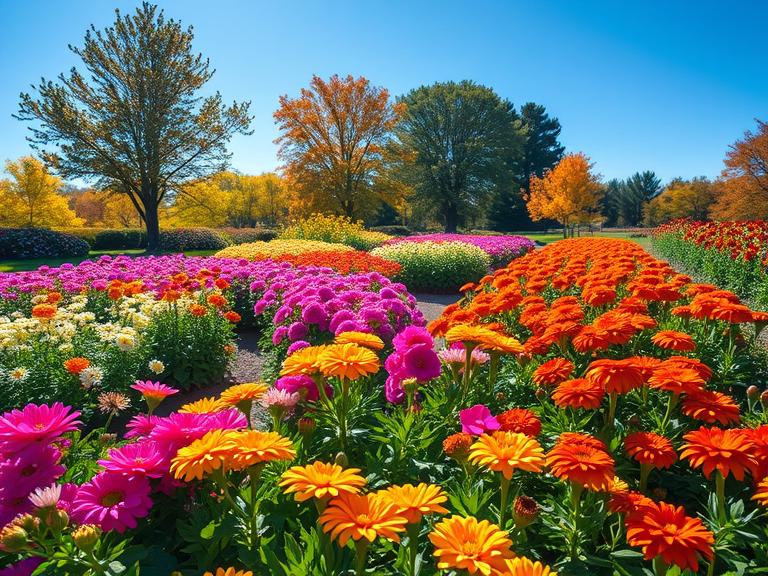
In North Texas, it is not only feasible but also quite satisfying to grow fall flowers. You may have a visually appealing and hardy garden all through the fall with the correct design, plant choices, and maintenance. Your fall garden may become a season-long show-stopper with the vibrant hues of mums and salvias and the happy faces of pansies.
So put on your gloves, prepare your soil, and start planting because North Texas’s fall flowers are ready to make your day.
